

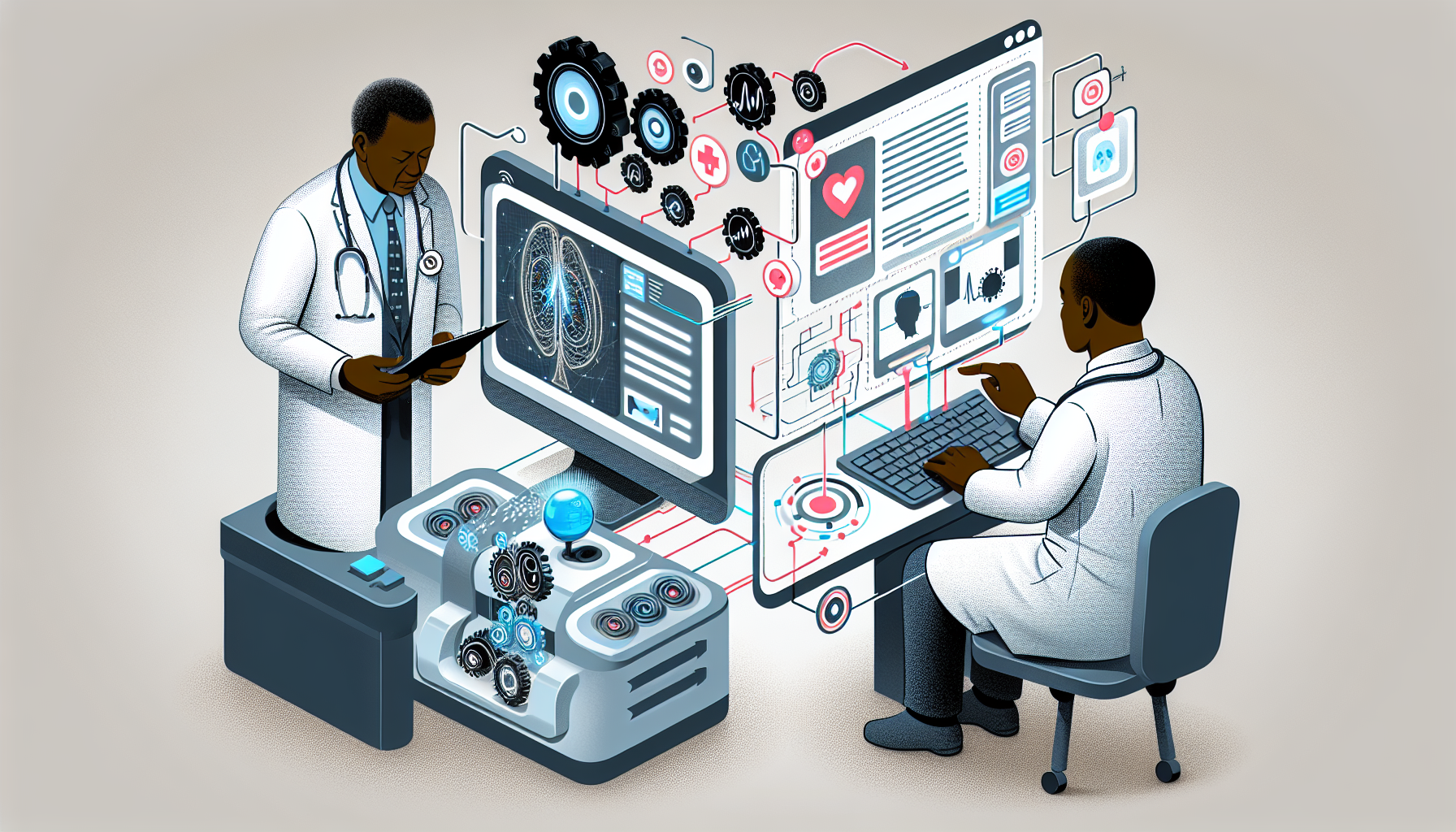
The Future of Healthcare: How AI is Revolutionizing Clinical Decision-Making
Artificial intelligence (AI) has firmly planted itself in the healthcare industry, not as a replacement for healthcare professionals, but as a complementary force that enhances their decision-making capabilities. A prime example of this is in the form of AI-based Clinical Decision Support Systems (CDSS) — innovative tools standing by medical practitioners to provide insightful, data-driven support.
AI Clinical Decision Support Systems: Your New Medical Assistant
Consider AI CDSS as the ultra-smart colleague, always ready with a suggestion or insight when it comes to patient care. Historically, healthcare relied significantly on the expertise and experience of doctors, supplemented by research and peer consultations. However, the rapid expansion of medical knowledge presents challenges in keeping information streamlined and accessible. This is where AI CDSS makes a monumental difference.
These systems dive into vast pools of data — medical records, recent clinical studies, and guidelines — returning real-time, tailored advice that guides treatment options. This means doctors can approach diagnosis with greater confidence and focus more on the human aspect of healthcare — patient interaction — rather than getting buried beneath paperwork.
The Mechanics Behind AI: How Does It Operate?
At the core of AI CDSS technology are large language models (LLMs) and machine learning algorithms. These intelligent systems can digest natural language from medical texts, synthesize this data swiftly, and offer precise recommendations.
Imagine typing in a set of symptoms; AI CDSS scours immense datasets to present probable diagnoses, test recommendations, and potential treatment plans in moments. It's akin to having an extensive library and knowledgeable consultant built into one digital ally.
Importantly, AI CDSS doesn't merely regurgitate generic data. Instead, it personalizes advice using an individual's medical history and evolving medical evidence, enhancing the accuracy and relevancy of its guidance.
Enhancing Patient Care: The Direct Benefits
For patients, the integration of AI in healthcare translates into not only faster but improved outcomes. Instead of exhaustive — and sometimes unnecessary — testing, healthcare providers can pinpoint essential investigations and treatments more effectively. Quicker diagnoses, personalized patient care, and rationalized healthcare visits are just some of the enhancements patients can experience.
Additionally, doctors face reduced administrative burdens, maximizing their time spent in patient-centered discussions and decision-making.
The Tech Behind AI CDSS: Training and Integrity
These systems learn through robust datasets — anonymized records, clinical trial data, etc. Their predictive prowess can anticipate patient outcomes or advise on potential treatments. However, to maintain reliability, ensuring data diversity and avoiding biases is critical. Likewise, adhering to privacy protections, akin to HIPAA standards, is essential for patient information safety.
Simplifying Workflows and Reducing Burnout
Thanks to AI, doctors can offload administrative tasks, reducing the likelihood of burnout. AI CDSS empowers practitioners to pivot their attention from managerial duties to meaningful patient care, enhancing both patient and provider satisfaction.
Deployment Models: Local, Networked, and Cloud-Based
AI CDSS comes in various deployment forms, each with its strengths and security considerations:
- Local Deployment: IT personnel maintain systems on in-house servers, securing data but limiting external connectivity.
- Networked Deployment: Facilities share data across interconnected servers, enriching AI learning capabilities yet requiring robust cybersecurity protocols.
- Cloud-Based Deployment: This model allows global data integration, although it demands stringent security measures to protect integrity and confidentiality.
The AI-Assisted Future of Healthcare
The trajectory for AI-based CDSS in transforming healthcare is set, driven by the ethos of precision and personalization. While ensuring ethical, secure, and equitable access remains ongoing work, the value AI brings as a supportive tool is undeniable for both healthcare providers and patients.
As we explore this brave new world of AI-powered medicine, the question becomes not if, but how best to harness these technologies to improve the quality of care delivered worldwide. With continuous advancements and vigilant oversight, the future of healthcare stands to gain richly from these intelligent innovations.