

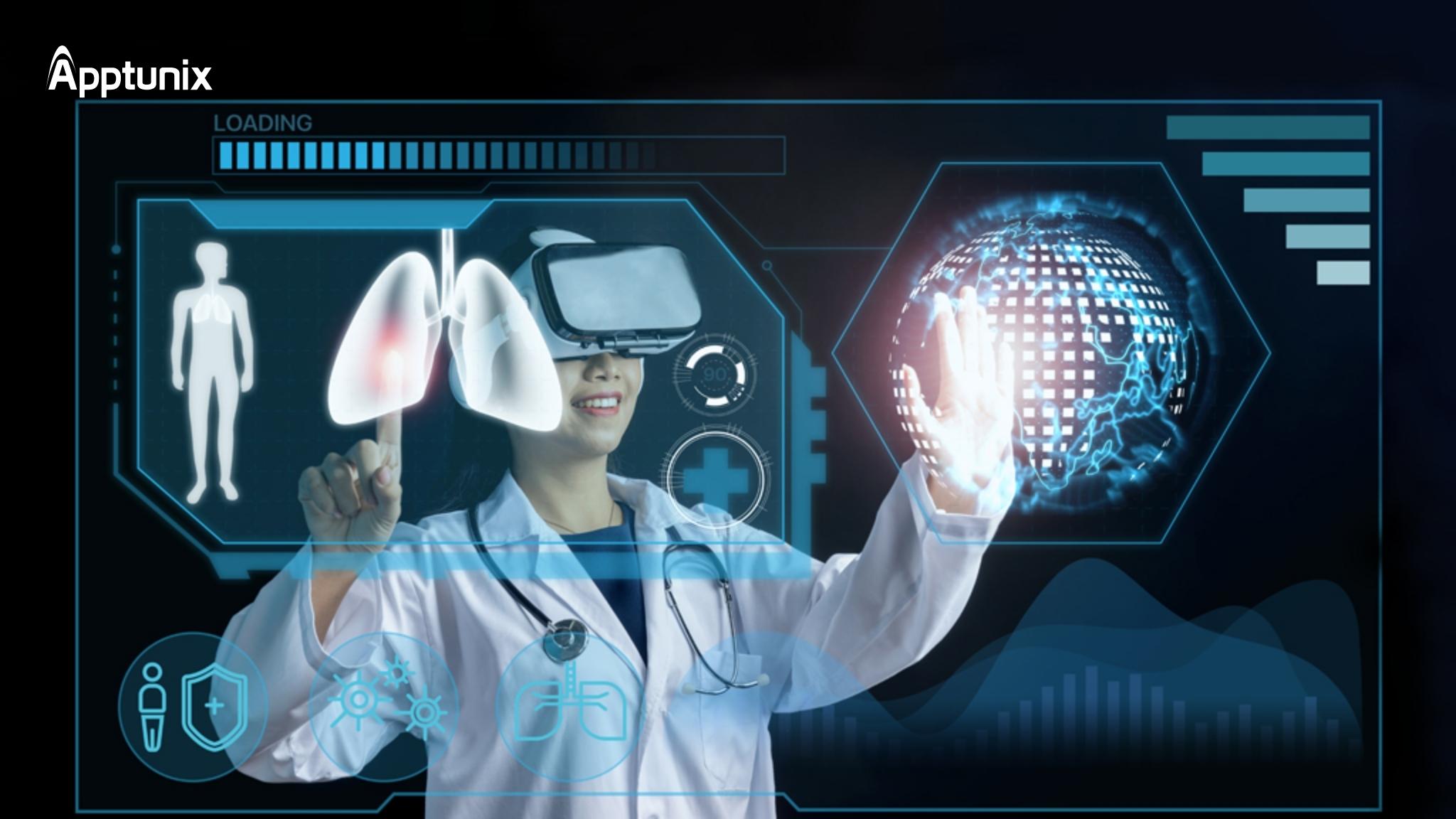
Artificial Intelligence (AI) is revolutionizing many sectors, and healthcare is at the forefront of this transformation. As AI technologies continue to evolve, their integration into healthcare settings is becoming increasingly sophisticated, promising unprecedented improvements in patient outcomes, operational efficiency, and personalized care. In this comprehensive article, we will delve into the impact of AI on healthcare, examining current applications, future possibilities, benefits, and real-world cases.
1. Understanding AI in Healthcare
AI in healthcare refers to the use of algorithms and software to approximate human cognition in the analysis, interpretation, and understanding of complex medical data. From diagnosing diseases to assisting in surgical procedures, AI is reshaping healthcare delivery mechanisms.
2. Current Applications of AI in Healthcare
2.1 Diagnostic Tools
AI algorithms are being utilized to enhance diagnostic accuracy. For instance, AI can analyze medical images, identify patterns, and detect abnormalities more quickly and accurately than traditional methods.
-
- Radiology: AI systems can analyze X-rays, MRIs, and CT scans to identify conditions like tumors and fractures.
-
- Pathology: AI aids in identifying cancerous cells in tissue samples more efficiently.
2.2 Personalized Medicine
AI enables healthcare providers to tailor treatments based on individual patient data. By analyzing genetic information, lifestyle factors, and historical data, predictive models suggest optimal treatment plans.
2.3 Predictive Analytics
AI’s predictive capabilities are instrumental in anticipating outbreaks and managing chronic diseases. Hospitals use AI to predict patient admissions, enabling better resource allocation.
2.4 Virtual Health Assistants
Healthcare chatbots and virtual assistants provide immediate responses to patient queries, assist in scheduling appointments, and can support in managing chronic conditions. They offer 24/7 support, which is valuable for both patients and providers.
3. Benefits of AI in Healthcare
The integration of AI into healthcare brings numerous benefits:
-
- Improved Accuracy: AI enhances diagnostic precision, reducing misdiagnosis rates.
-
- Cost Efficiency: Automation of routine tasks lowers operational costs significantly.
-
- Enhanced Patient Engagement: Personalized medicine and virtual health assistants improve patient involvement in their care.
-
- Data Management: AI’s ability to process vast amounts of data improves medical research and record-keeping.
4. Future Applications of AI in Healthcare
4.1 Advanced Robotics
Robotic assistants are expected to become common in surgical procedures, enhancing precision and reducing recovery times. AI-driven robots can perform minimally invasive surgeries with enhanced accuracy.
4.2 Drug Discovery and Development
AI is set to revolutionize the pharmaceutical industry by significantly reducing the time and cost associated with drug discovery. Machine learning algorithms can analyze existing compounds and predict their efficacy and safety profiles.
4.3 Remote Monitoring and Wearable Technologies
The future of healthcare lies in remote patient monitoring through wearable devices. AI will analyze data collected from these devices in real time to provide ongoing health assessments and alerts.
5. Case Studies: Real-World Applications of AI in Healthcare
5.1 IBM Watson for Oncology
IBM Watson has made significant strides in oncology by analyzing vast amounts of medical literature and patient data to recommend treatment options for cancer patients, improving outcomes through personalized support.
5.2 Zebra Medical Vision
Zebra Medical Vision’s AI algorithms analyze medical imaging to detect conditions such as cardiovascular diseases and pulmonary conditions. This increases efficiency in interpreting results and aids physicians in diagnosis.
6. First-Hand Experiences
Many healthcare professionals have begun incorporating AI into their daily practices, with positive feedback on its effectiveness:
“AI tools have drastically improved our diagnostic processes. The speed and accuracy are remarkable, allowing us more time to focus on patient care.”
— Dr. Jane Smith, Radiologist
7. Practical Tips for Adopting AI in Healthcare
-
- Train Staff: Ensure all healthcare staff are trained on new AI tools and systems.
-
- Start Small: Begin with simple applications of AI before moving to more complex systems.
-
- Evaluate Regularly: Regularly assess the performance of AI systems and seek feedback to improve functionality.
8. Conclusion
The impact of AI on healthcare is profound, driving significant changes that improve patient outcomes and operational efficiencies. From diagnostics to personalized medicine, AI is paving the way for a future where healthcare is more precise, efficient, and accessible. As we move forward, it is essential for healthcare providers to embrace these innovations, ensuring they are well-prepared for the challenges and opportunities that lie ahead.
With ongoing advancements and a commitment to ethical practices, AI has the potential to revolutionize healthcare as we know it, ultimately benefiting patients and providers alike.