

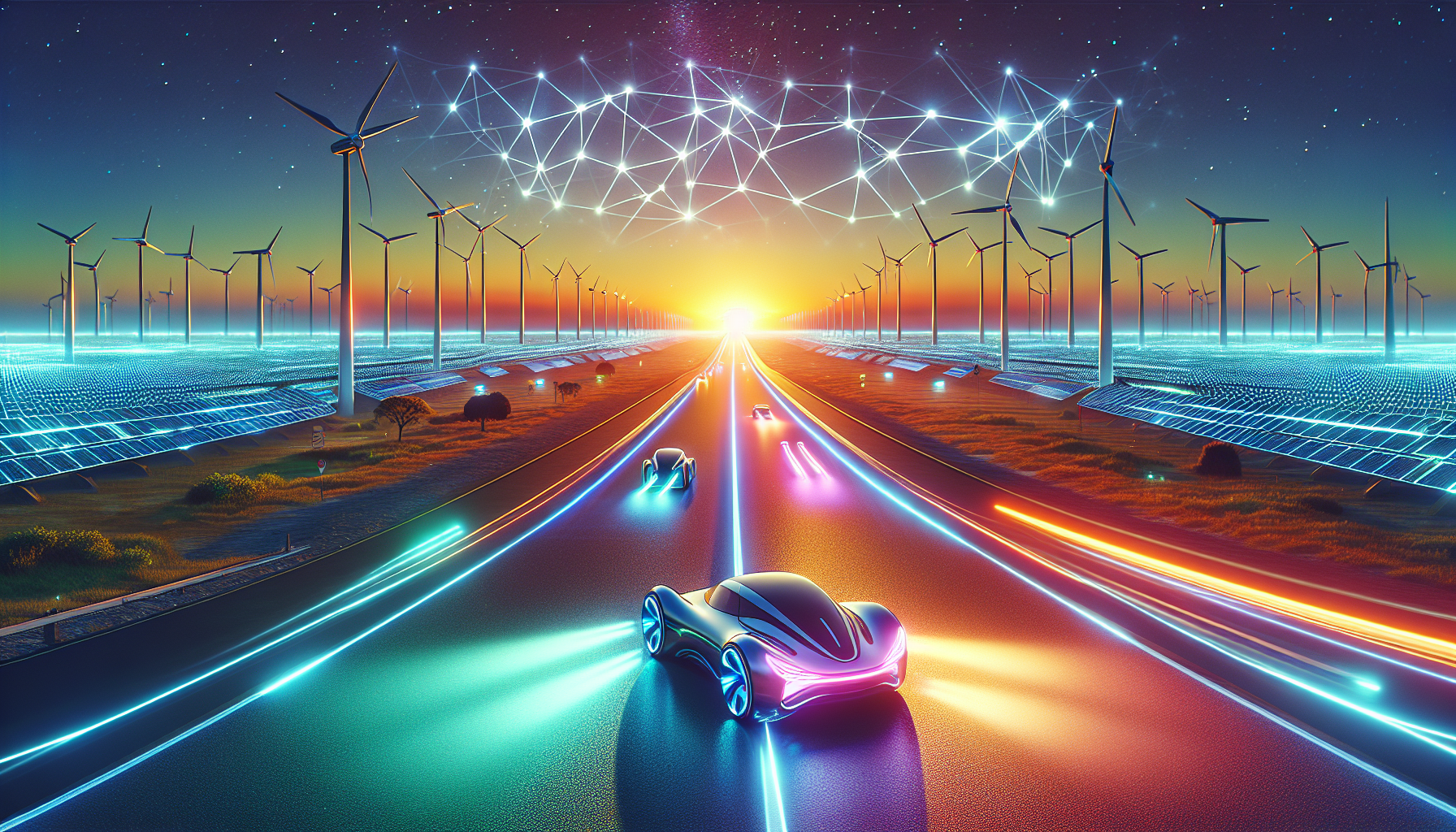
Great, I understand. Let’s craft a blog post in a similar style to the example you’ve given. We’ll focus on "The Future of Electric Vehicles: Innovations and Impacts."
The Future of Electric Vehicles: Innovations and Impacts
Electric vehicles (EVs) are rapidly reshaping the landscape of transportation, promising cleaner alternatives and significant reductions in carbon footprints. As technological advancements accelerate, the role of EVs in our daily commutes and global economy becomes more pronounced. This comprehensive guide will explore the future of electric vehicles, examining current trends, future possibilities, ecological benefits, and real-world implementation.
-
Understanding Electric Vehicles
Electric vehicles, powered by electric motors and batteries instead of traditional internal combustion engines, are at the forefront of sustainable innovation. With improvements in battery technology and charging infrastructure, EVs are becoming increasingly accessible to a broader audience. -
Current Innovations in Electric Vehicles
2.1 Battery Technology
Recent breakthroughs in battery technology are enhancing the driving range and reducing charging time. For instance, solid-state batteries promise to deliver faster charging and a longer lifecycle compared to lithium-ion batteries.
2.2 Autonomous Driving
EVs are often at the cutting edge of integrating self-driving capabilities. Companies like Tesla and Waymo are embedding advanced AI systems into EVs, aiming for fully autonomous vehicles that enhance safety and convenience.
2.3 Sustainable Manufacturing
The EV industry is embracing eco-friendly manufacturing processes. Automakers are striving to reduce the carbon footprint of their production lines, using recycled materials and renewable energy sources.
-
Ecological Benefits of Electric Vehicles
Switching from gasoline-powered vehicles to EVs significantly reduces greenhouse gas emissions. Furthermore, EVs contribute to lower air pollution levels and decrease reliance on fossil fuels, supporting global sustainability goals. -
Future Possibilities for Electric Vehicles
4.1 Wireless Charging
Wireless or inductive charging technology could eliminate the need for charging cables, offering convenience and efficiency that integrates seamlessly into urban infrastructure.
4.2 Vehicle-to-Grid (V2G) Technology
V2G allows EVs to communicate with the power grid, enabling two-way electricity flow. This innovation can balance grid load, store renewable energy, and even provide power back to the grid during peak times.
4.3 Expansion into Public Transportation
Electric buses and trains are transforming public transit systems worldwide. As cities aim to cut emissions, the adoption of electric public transport grows, leading to quieter and cleaner urban environments.
- Real-World Case Studies of Electric Vehicles
5.1 Tesla's Supercharger Network
Tesla's global network of fast-charging stations has been pivotal in alleviating range anxiety and supporting the widespread EV adoption. These stations provide a full charge in less than an hour, making long-distance travel feasible.
5.2 BYD's Fleet Transportation in Shenzhen
BYD Company has successfully electrified the entire bus fleet in Shenzhen, China, one of the world's largest cities. This shift has significantly reduced pollution levels and operational costs for public transport.
-
First-Hand Experiences
Many consumers and companies transitioning to EVs report considerable satisfaction with their performance and savings:
"Switching to an electric vehicle has transformed my commuting experience. The smooth acceleration and low maintenance costs are remarkable." — James Lee, EV Owner. -
Practical Tips for Adopting Electric Vehicles
- Assess Your Driving Needs: Evaluate your daily mileage and charging options to choose the right EV model.
- Research Incentives: Take advantage of government incentives and tax credits available for EV purchases.
- Plan for Charging: Consider home charging station installations and explore public charging networks in your area.
- Conclusion
The future of electric vehicles is brimming with promise, driven by rapid technological advancements and a growing commitment to sustainability. From cutting-edge battery innovations to autonomous driving features, EVs are redefining personal and public transportation. As they become more prevalent, it's vital for consumers and industries to embrace these changes, leveraging their potential to foster a cleaner, more efficient world.
With continued innovation and a collective drive toward sustainability, electric vehicles stand as a beacon of hope in mitigating climate change and enhancing our quality of life on the planet.
This blog format aligns with the reference style, incorporating structured headings and relevant examples to engage readers and convey critical insights on the future of electric vehicles.